
Health and Beauty Label Printing | TLF Graphics
The health and beauty aisle is the most crowded shelf in retail. With tens of thousands of SKUs competing for the same 3 feet of space, the label is often the only real differentiator between two products with nearly identical formulas. A poorly printed label signals poor quality inside the bottle, whether or not that’s true.
Getting it right means solving three problems at once: meeting FDA labeling regulations, surviving the humidity and moisture of a bathroom cabinet, and catching a consumer’s eye in under three seconds. That’s a tall order for any label manufacturer — and the reason health and beauty label printing requires a different level of technical expertise than standard commercial print. TLF Graphics offers a full range of print technologies suited to personal care applications.
Key Takeaways
– FDA cosmetic labeling (21 CFR Part 701) requires an identity statement, net quantity, INCI ingredient declaration, and manufacturer or distributor name and address.
– Moisture-resistant substrates like BOPP film are the standard for personal care products exposed to bathroom humidity.
– HP Mosaic technology enables unique label variations across millions of units, ideal for limited-edition or personalized beauty SKUs.
– CleanFlake adhesive from TLF Graphics passes APR’s highest testing standard and enables PET bottle-to-bottle recycling.
– ISO 9001:2015 certification (Intertek) means every label run is backed by a documented quality management system.
What FDA Regulations Apply to Health and Beauty Labels?
The FDA regulates cosmetics under 21 CFR Part 701, which covers labeling for most personal care products sold in the US. According to the FDA’s cosmetic labeling guidance, every cosmetic label must carry four core elements: a product identity statement, net quantity of contents, an ingredient declaration using INCI names, and the name and place of business of the manufacturer or distributor.
The ingredient declaration is often the most technically demanding requirement. INCI (International Nomenclature of Cosmetic Ingredients) names follow a specific Latin or English convention that differs from common marketing language. Ingredients must appear in descending order of predominance. For products with fewer than 5% concentration ingredients, the order can vary.
TLF Graphics works with health and beauty brands across the Rochester, NY region, where label proofing and FDA compliance review have become routine parts of the pre-press process. Brands that come in with incomplete INCI declarations almost always push back their production timeline.
Font size matters, too. The FDA requires that the principal display panel and information panel meet minimum type size standards so that required text is legible. For small containers, there are carve-outs, but the rules are still precise.
Drug products that also function as cosmetics, such as anti-dandruff shampoos or SPF moisturizers, fall under OTC drug labeling rules in addition to cosmetic rules. These “dual-use” products require a Drug Facts panel, which has its own formatting requirements entirely separate from 21 CFR Part 701.
Citation Capsule: The FDA requires all cosmetic products marketed in the US to display an ingredient declaration using INCI nomenclature under 21 CFR Part 701, with ingredients listed in descending order of predominance. (FDA Cosmetics Labeling, 2024)
What Substrates Survive Humidity, Moisture, and Bathroom Environments?
Most personal care products live in a bathroom, which means labels face near-constant exposure to steam, condensation, and direct water contact. Standard paper labels fail fast in this environment. Biaxially oriented polypropylene (BOPP) film has become the industry default for personal care labels because it’s waterproof, tear-resistant, and dimensionally stable under humidity.
There’s a real performance difference between label substrates that can handle a steamy shower versus those that can’t. Labels that de-laminate, wrinkle, or fade within 30 days of purchase destroy brand equity faster than almost any other packaging failure.
BOPP films also offer a clear advantage for transparent or no-label-look applications. Brands that want the product itself to show through the label, common in premium skincare and serums, can use clear BOPP with minimal adhesive haze. This creates a sleek, high-end appearance that commands a higher perceived price point.
At TLF Graphics, our direct-to-object printing capability takes moisture resistance a step further by applying ink directly to the container surface itself. This eliminates the label-to-substrate adhesive interface entirely, which is the most common failure point in wet environments.
Adhesive selection matters just as much as the face stock. Aggressive permanent adhesives are standard for squeezable tubes and bottles that get squeezed repeatedly. Removable adhesives work for promotional or seasonal products, but they’re rarely appropriate for daily-use personal care items.
For clients with aluminum tubes or glass cosmetic containers, TLF’s product decoration capabilities span flexographic and digital methods, accommodating a wide range of substrates. The choice between print methods often comes down to run length. Short runs, under a few thousand units, favor digital. Long runs above 50,000 units typically favor flexographic production for cost-per-unit efficiency.
Citation Capsule: BOPP film is the standard substrate for health and beauty labels due to its moisture resistance, dimensional stability, and compatibility with clear no-label-look applications in premium personal care packaging.
How Does HP Mosaic Personalization Work for Health and Beauty Brands?
HP Mosaic is a design software integrated into HP digital presses that automatically generates millions of unique label variations from a small set of base patterns. TLF Graphics uses HP Mosaic technology to print personalized products where every label in a run can have a slightly different look, without stopping the press or changing plates.
This is genuinely powerful for health and beauty brands running limited-edition seasonal collections. Think of a holiday gift set where each unit has a subtly different floral or geometric pattern variant. The brand looks cohesive. The product feels exclusive.
HP Mosaic works best when the variation is in texture, color gradient, or pattern rather than text. Brands that try to use it for variable text, such as individual names, need a separate variable data printing workflow. The two technologies complement each other but are distinct capabilities.
For personalized beauty products, the e-commerce health and beauty market was valued at $48 billion in the US in 2023, according to Statista. Personalized packaging drives unboxing engagement on social media and reduces the likelihood of a competitor duplicating the look exactly.
HP Mosaic requires no additional setup fee per variation. There are no new plates, no new films, and no press changeovers. The cost structure is essentially the same as a standard digital print run. That’s the part brands often find hard to believe the first time they hear it.
Short-run personalized labels are also where TLF’s digital roll printing capability shines. With no minimum order quantity and fast turnaround, emerging beauty brands can test personalized packaging concepts in the market before committing to a full production run.
What Sustainable Label Options Are Available for Personal Care Products?
Consumer demand for sustainable packaging has shifted from a niche preference to a mainstream expectation. According to a 2023 McKinsey report, 66% of consumers and 73% of Millennial consumers said they would pay more for a sustainable product. Personal care and beauty brands are responding by requiring their label suppliers to match.
TLF Graphics offers several concrete sustainable label options. FSC-certified papers are available across more than 1,500 sustainable paper media options, each carrying environmental credentials from the Forest Stewardship Council. For brands that want film labels with an eco story, compostable and biodegradable film materials are available where application requirements allow.
The BOPP films used at TLF have been certified for HDPE recycling under the Association of Plastic Recyclers (APR) Critical Guidance Protocol. That certification matters because it means the labeled container can go into a standard HDPE recycling stream without requiring the label to be removed first.
CleanFlake adhesive technology goes a step further, targeting PET bottle recycling. Most pressure-sensitive labels interfere with the PET bottle-to-bottle recycling process because adhesive residue contaminates the wash float. CleanFlake is designed to release cleanly during the PET recycling hot wash, which TLF states passes the highest form of testing available from the APR. This enables brands using PET bottles, common in shampoo, conditioner, and body wash, to make credible recycling claims on their packaging.
Brands in adjacent categories often face similar sustainability requirements — TLF’s food and grocery label printing capabilities use the same certified substrate options.
Digital printing also reduces material waste by eliminating printing plates, films, and the make-ready waste that flexographic production generates during setup. For short-run personal care brands, the waste reduction on a 2,000-unit digital run compared to a flexographic setup can be significant.
Citation Capsule: TLF Graphics offers BOPP films certified for HDPE recycling under the APR Critical Guidance Protocol, and CleanFlake adhesive technology that enables PET bottle-to-bottle recycling by releasing cleanly during the hot-wash recycling process.
What to Look for in a Health and Beauty Label Manufacturer
Choosing a label manufacturer for health and beauty products is not just a print procurement decision. It’s a compliance, quality, and supply chain decision all at once. The wrong supplier can expose a brand to an FDA warning letter, a shelf recall, or a reputation problem that spreads on social media before the corrective action is even filed.
ISO 9001:2015 certification is the baseline quality indicator worth requiring. The ISO standard specifies requirements for a quality management system that ensures consistent product output and documented process control. TLF Graphics carries ISO 9001:2015 certification through Intertek, one of the world’s leading testing and certification bodies.
Substrate range matters. A manufacturer that only offers one or two film options will struggle when a brand’s formulation or container changes. Look for suppliers with documented capability across paper, BOPP, polyester, foil, and direct-to-object options.
Turnaround flexibility is critical for health and beauty brands launching seasonal collections, limited editions, or testing new SKUs. A supplier with both digital (no minimum, fast cycle) and flexographic (cost-efficient at volume) capability can support a brand through every stage of growth.
In our experience, the biggest hidden cost in health and beauty label production isn’t the per-label price. It’s the cost of non-compliance errors caught late, after labels are already applied to product. Brands that invest in pre-press proofing and compliance review upfront almost always have lower total project costs than those optimizing purely for unit price.
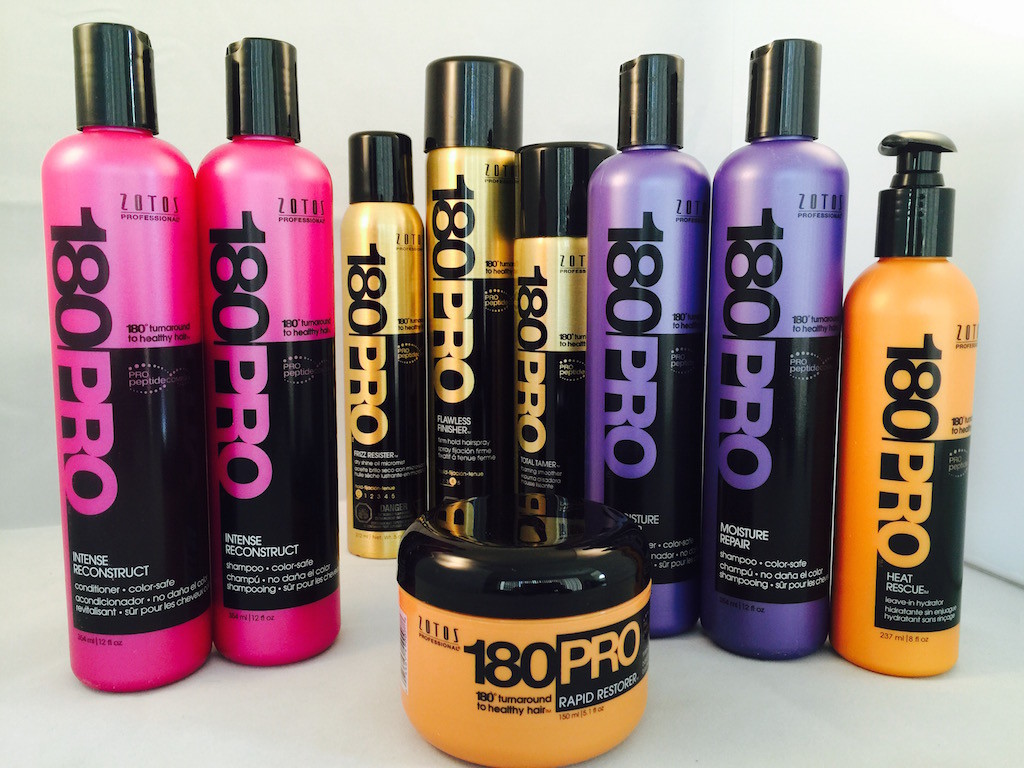
TLF Graphics has worked with health and beauty brands including Zotos Products, a professional hair care brand based in the Rochester area, for decades. That kind of long-term relationship reflects more than competitive pricing. It reflects consistent quality, reliable compliance support, and the ability to scale production as brands grow.
Citation Capsule: TLF Graphics holds ISO 9001:2015 certification through Intertek and offers health and beauty label printing across digital roll, digital wide format, direct-to-object, and flexographic production methods, serving brands from startup SKUs to large-volume commercial runs.
Frequently Asked Questions
What FDA labeling requirements apply to cosmetic labels?
Under 21 CFR Part 701, cosmetic labels must include a product identity statement, net quantity of contents, ingredient declaration using INCI nomenclature in descending order, and the name and address of the manufacturer or distributor. Dual-use products that qualify as OTC drugs require a Drug Facts panel in addition to standard cosmetic labeling. (FDA, 2024)
What’s the best label material for shampoo and conditioner bottles?
BOPP (biaxially oriented polypropylene) film is the standard choice for wet-environment personal care products. It’s waterproof, tear-resistant, and available in clear versions for a no-label-look on premium products. For PET bottles specifically, CleanFlake adhesive technology allows the label to release cleanly during recycling, supporting sustainable packaging claims.
How many labels do I need to order for digital vs. flexographic printing?
Digital roll printing at TLF Graphics has no minimum order quantity, making it ideal for startups, limited editions, and test runs. Flexographic printing is cost-efficient at larger volumes, typically 50,000 units and above, where the per-unit cost advantage outweighs setup costs. Most growing brands use digital for launch and transition to flexographic as volume scales.
Can I get a unique label on every bottle?
Yes, through HP Mosaic technology. The software automatically generates millions of unique label variations from a single base design file, with no additional plate or setup costs per variation. This is widely used for limited-edition health and beauty collections where every unit in the run carries a slightly different pattern or color variant while remaining consistent with the brand identity.
What makes a health and beauty label sustainable?
Several certifications and material choices contribute to a credible sustainability story. FSC-certified paper stocks carry Forest Stewardship Council environmental credentials. BOPP films certified under the APR Critical Guidance Protocol can enter the HDPE recycling stream with the label attached. CleanFlake adhesive enables PET bottle recycling. Digital printing reduces make-ready waste. Compostable and biodegradable film options are also available for qualifying applications.
Does ISO 9001:2015 certification matter for label purchasing?
It matters significantly. ISO 9001:2015 requires documented process control, systematic quality auditing, and consistent output standards. For health and beauty brands, this means label quality, color consistency, and compliance accuracy are backed by a formal quality management system, not just informal production practices. TLF Graphics carries this certification through Intertek. Visit the customer resource center for art templates and spec sheets. (ISO)
The Bottom Line
Health and beauty label printing lives at the intersection of regulatory compliance, material science, and brand design. Getting any one of the three wrong costs real money, whether that’s an FDA compliance issue, a label that fails in the shower, or packaging that loses to a competitor on shelf.
The brands that win in this category treat their label manufacturer as a technical partner, not a commodity supplier. They bring substrate questions, sustainability requirements, and FDA compliance needs into the conversation early, before the design is final and before the production clock starts.
TLF Graphics has spent 45 years solving exactly these problems for health and beauty brands across the US, with ISO 9001:2015 certification, CleanFlake recycling technology, HP Mosaic personalization, and production capability that scales from a 500-unit test run to a multi-million-unit commercial order. Contact TLF Graphics to discuss your health and beauty label project.
Get a Quote for Your Health and Beauty Labels
TLF Graphics Inc.
235 Metro Park, Rochester, NY 14623
Phone: (800) 356-2701 | (585) 272-5500
Email: sales@tlfgraphics.com
Web: www.tlfgraphicsusa.com
Contact TLF Graphics to discuss your health and beauty label project, or visit the customer resource center for art templates and spec sheets.
Sources
- U.S. Food and Drug Administration. “Cosmetics Labeling Guide.” FDA.gov. https://www.fda.gov/cosmetics/cosmetics-labeling. Accessed June 2026.
- International Organization for Standardization. “ISO 9001:2015 Quality Management Systems.” ISO.org. https://www.iso.org/standard/62085.html.
- McKinsey & Company. “Consumers Care About Sustainability — and Back It Up With Their Wallets.” McKinsey.com. 2023.
- Statista. “U.S. e-commerce health and beauty market value.” 2023.
- Association of Plastic Recyclers. “APR Critical Guidance Protocol for Pressure Sensitive Labels.” plasticsrecycling.org.
- TLF Graphics Inc. “Health and Beauty Label Printing.” tlfgraphicsusa.com/heath-beauty/. Accessed June 2026.