
Asset Tag Printing: Industrial Labels That Last
Key Takeaways
– Asset tags are pressure-sensitive labels carrying a unique identifier — barcode, QR code, or serial number — used to track equipment through its full service life.
– Substrate choice determines survival: polyester and polycarbonate films outlast paper in chemical, UV, and high-temperature environments where paper labels fail within weeks.
– TLF Graphics holds four active UL-listed label programs — PGAA.LP1575, PGDQ2.MH15497, PGJI2.MH19710, and related Canadian programs — required for labels affixed to regulated electrical and industrial equipment.
– ISO 9001:2015 certification means TLF’s quality management system is independently audited by some of the largest US and global manufacturers.
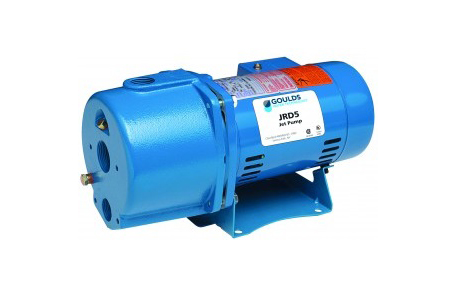
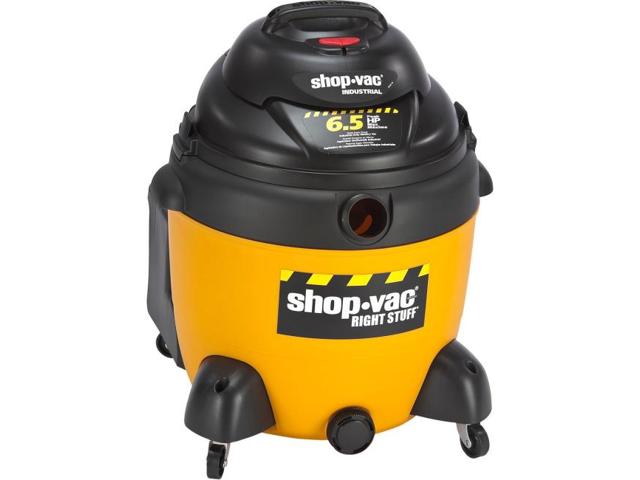
– Clients including Xylem (water technology), Shop-Vac (industrial vacuums), and Volvo (heavy equipment) source production asset tags from TLF’s Rochester, NY facility.
Picture a pump on a water treatment platform, running 24 hours a day in outdoor conditions. The asset tag on that pump carries the serial number, the maintenance schedule reference, and the compliance certification. Six months in, the label has faded, the adhesive has lifted at one corner, and the barcode no longer scans.
That failure is not cosmetic. It’s a traceability gap. A field technician can’t pull accurate service records. A compliance auditor flags a missing identifier. In regulated industries — utilities, medical equipment, heavy manufacturing — a label that fails can translate directly to a compliance violation or a liability exposure.
The problem almost always starts at specification. The wrong substrate, a pressure-sensitive adhesive rated for indoor use, or a printed barcode that wasn’t tested for outdoor scan-ability. Getting industrial labeling right means specifying for the environment the label will actually live in, not the environment on the production floor where it was applied.
What Is Asset Tag Printing and Why Does Material Selection Matter?
An asset tag is a pressure-sensitive label affixed to equipment with a unique identifier — typically a barcode, QR code, or serial number — that ties the physical asset to a record in a tracking or maintenance system. According to the International Organization for Standardization, asset identification is a core element of physical asset management under ISO 55001 (ISO, 2014). Get the label right and the tracking system works. Get the label wrong and the whole chain breaks.
Material selection is where most asset tag programs fail at the specification stage. A paper label with a standard permanent adhesive works fine in a climate-controlled server room. It does not work on a pump housing exposed to cleaning solvents and ambient UV. The substrate must be matched to the environment before a single print job is quoted.
The most common specification error we encounter is using indoor-rated adhesive on outdoor-deployed equipment. The label face may be polyester, but if the adhesive is acrylic-based without UV stabilization, the bond fails at the edges within a season. You end up with a durable face stock peeling off a degraded adhesive layer. A review of the best materials for industrial labels shows how adhesive selection must match the deployment environment, not just the face stock.
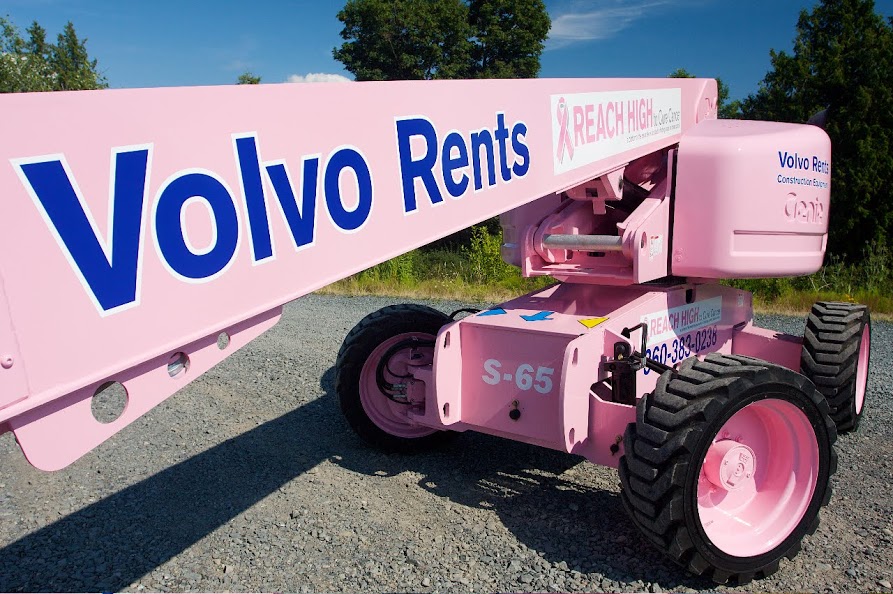
The industrial environments TLF Graphics serves span a wide range of exposure conditions. Xylem pump systems operate outdoors in water and wastewater facilities. Shop-Vac industrial vacuums encounter solvent and particulate environments. Volvo heavy equipment decals face mechanical abrasion and prolonged UV. Each application demands a different substrate and adhesive combination, specified before production begins.
What Substrates and Adhesives Work for Industrial Asset Labels?
Polyester (PET) is the default substrate for most industrial asset tag printing because it delivers tear resistance, dimensional stability under heat, and chemical resistance in a thin, flexible form. The Pressure Sensitive Tape Council reports that polyester film labels retain dimensional stability up to 150°C in most formulations (PSTC, 2023). That covers the majority of industrial equipment surface temperatures encountered outside of furnace and kiln environments.
Polyester (PET) Film
Polyester is tear-resistant, fade-resistant, and waterproof. It accepts screen printing for outdoor durability and digital printing for variable data. For most asset tracking applications on pumps, HVAC units, industrial vacuums, and heavy equipment, a .003-inch or .005-inch PET face stock with a permanent industrial adhesive is the correct starting point.
The adhesive matters as much as the face stock. Aggressive rubber-based adhesives bond well on textured powder-coat surfaces. Acrylic permanent adhesives perform better when UV stability is required over multi-year service life. High-tack acrylic is the right call for rough or low-surface-energy substrates like some plastics and painted steel.
Polycarbonate and Vinyl Overlaminates
Polycarbonate films are used where significant abrasion resistance is required alongside chemical exposure. Overlaminates, applied on top of the printed face, extend the life of digital-printed barcodes by protecting the ink from solvents and physical wear. For asset tags that will be cleaned repeatedly with industrial solvents, an overlaminate is not optional.
Destructible Vinyl and Tamper-Evident Materials
Some asset tracking programs require tamper-evident labels to flag when equipment has been accessed or modified without authorization. Destructible vinyl face stocks fracture on removal, leaving a visible void. These are specified for calibration tags, equipment locks, and warranty-critical applications where removal tampering must be recorded. For a full breakdown of substrate options and their performance profiles, see best materials for industrial labels.
Why Do Industrial Labels Require UL Listing for Regulated Equipment?
UL listing for labels is a formal regulatory requirement, not a marketing credential. Under UL certification programs, labels applied to electrical equipment, control panels, and devices subject to UL product safety standards must themselves be produced by a UL-authorized supplier under a recognized marking and labeling program. The label is part of the product’s certification — if the label is not from a UL-listed source, the product’s own UL mark can be in jeopardy.
TLF Graphics Inc. holds four active UL-listed label programs: Authorized Label Suppliers Program (PGAA.LP1575), Marking and Labeling Systems Component (PGDQ2.MH15497), and Printing Materials Component (PGJI2.MH19710), with Canadian equivalents for each. These authorizations are independently verified by UL and are required for labels affixed to UL-listed electrical and industrial equipment sold in the US and Canada.
This is why procurement teams at regulated manufacturers specify UL-listed label suppliers. It’s not about label quality alone. It’s about keeping the finished product’s own certifications intact when it ships.
What Equipment Categories Require UL-Listed Labels?
Electrical panels, motor controls, HVAC units, power tools, industrial vacuums, and any equipment bearing a UL mark is subject to this requirement. When Shop-Vac needs production identification labels for industrial vacuums, those labels must come from a UL-authorized source. When Xylem specifies asset tags for pump systems that will be installed in utility applications, the same rule applies.
ISO 9001:2015 certification adds a second layer of accountability. TLF’s quality management system conforms to ISO 9001:2015, which means every production process, supplier relationship, and customer delivery is governed by a documented quality management system that is regularly audited by some of the largest manufacturers in the US and globally. For more on the range of industries served, see the industrial and durables market overview.
What Print Methods Are Used for Durable Industrial Labels?
Screen printing and digital printing serve different asset tag needs — and the two are often combined on the same label program. As TLF Graphics states directly: screen printing produces “labels that need to outlast the equipment they are mounted on.” That is a specific capability claim, and it holds because screen printing lays down heavier ink deposits with UV-curable ink systems that bond chemically to the substrate surface rather than sitting on top of it.
Screen Printing for Outdoor and Chemical Environments
Screen printing is the right method for asset tags that will live outdoors, in chemical wash-down environments, or on equipment with high surface temperatures. The process uses thicker ink films and specialty UV-curable or solvent-based ink systems suited to each substrate type. Volvo heavy equipment decals produced by TLF rely on screen printing for multi-year outdoor durability without fade or adhesive failure.
Screen printing handles rigid and flexible substrates. It is specified for industrial panels, overlay graphics, warning labels, and identification plates where color permanence and resistance to mechanical abrasion are non-negotiable requirements.
Digital Printing for Variable Data and Barcodes
Digital is the method for variable data: serial numbers, barcodes, QR codes, and asset IDs that change from label to label. A single production run can output 10,000 labels with 10,000 unique identifiers, each one scannable, without tooling changes or setup delays. This is how large equipment fleets are tagged at scale — every unit gets a unique, scannable identifier printed in-line.
TLF’s digital production capability supports unlimited variable data fields per label — serial numbers, barcodes, QR codes, and asset IDs can all vary within a single run. For clients managing fleets of hundreds or thousands of units, this eliminates the manual application of pre-numbered plates and reduces both labor cost and transcription error in asset records.
Combining Screen and Digital in One Label Program
High-complexity asset tag programs often use both: screen printing for the background, color field, and compliance content that stays constant across the full label run, and digital overprinting for the variable data that changes per unit. This hybrid approach is common for equipment manufacturers who ship a platform product to multiple customers, each requiring unique asset identification.
For direct printing onto aluminum panels, Braille ADA signage, or other difficult substrates where pressure-sensitive labels are not appropriate, TLF’s direct-to-object capability using Direct Color Systems hardware handles the application. See screen printing and direct-to-object technologies for the full production method overview.
How to Spec Asset Tags for Your Equipment or Facility
Specifying asset tags correctly requires answering five questions before the label is quoted. Skip any one of them and you risk a specification that looks right on paper but fails in the field.
In our experience working with industrial clients from HVAC manufacturers to pump OEMs, the specifications that cause the most rework are adhesive selection on difficult surfaces and barcode size relative to scanner read distance. Get both of those right at the front end and the rest of the spec falls into place.
1. What Is the Surface the Tag Will Be Applied To?
Surface energy, texture, and temperature at application all affect adhesive selection. Powder-coated steel, painted aluminum, and textured plastics each behave differently. Low-surface-energy plastics like polypropylene and polyethylene require specialty high-tack adhesives or surface preparation.
2. What Environmental Conditions Will the Tag Survive?
Outdoor UV, chemical wash-down, immersion, extreme temperatures, and mechanical abrasion all narrow the substrate options. Specify the worst-case condition, not the average. A tag rated for 80°F and indoor humidity will fail on a pump motor that regularly reaches 140°F at the housing surface.
3. What Data Must the Tag Carry?
Static tags with a pre-assigned number work for small fleets where manual entry is acceptable. Barcodes and QR codes are required when automated scan-in, scan-out, or inspection workflows are part of the asset management system. 2D codes carry more data in smaller print areas. For regulatory compliance numbers, confirm minimum barcode size against the scanner equipment in use before specifying print size.
4. Is UL Authorization Required?
If the equipment carries a UL mark, the asset tag likely needs to come from a UL-listed label supplier. Check the equipment’s product safety certification and the listing’s requirements. When in doubt, specify a UL-authorized source regardless — it eliminates one potential compliance question during product audits.
5. What Is the Required Service Life?
A five-year outdoor service life on a piece of heavy equipment demands a different specification than a two-year indoor asset tag on office equipment. State the required life in the spec. The manufacturer can then match substrate, adhesive, print method, and overlaminate to hit the target. TLF’s custom industrial labels and asset tracking capabilities cover the full range of these specifications.
FAQ: Asset Tag Printing and Industrial Labels
What is the difference between an asset tag and a regular product label?
An asset tag is a tracking label. It carries a unique identifier — barcode, QR code, serial number, or all three — that links the physical object to a record in an asset management system. Product labels convey consumer-facing information. Asset tags serve internal tracking, compliance documentation, maintenance scheduling, and chain-of-custody functions. They’re specified to a service life, not a sales encounter.
What substrates last longest in outdoor industrial environments?
Polyester (PET) films with UV-stable acrylic adhesives are the standard for multi-year outdoor asset tracking applications. For extreme abrasion environments, polycarbonate face stocks or a polyester face with a polycarbonate overlaminate extend service life further. According to the Pressure Sensitive Tape Council, polyester film retains dimensional stability to approximately 150°C (PSTC, 2023), covering most industrial equipment surface temperatures.
Why does asset tag printing require UL listing?
Labels applied to UL-listed equipment must come from a UL-authorized supplier to preserve the equipment’s own certification. The label is treated as a component of the listed product. UL’s Marking and Labeling Systems programs — which TLF holds under PGDQ2.MH15497 and related authorizations — govern what materials, inks, and processes are permitted for labels on regulated equipment (UL).
Can asset tags include both a barcode and a QR code on the same label?
Yes. Multiple symbologies can coexist on a single label. The choice between 1D barcodes and 2D QR codes depends on the scanning equipment in use and the volume of data the tag must carry. QR codes store more data in a smaller footprint. 1D barcodes are faster to scan with older fixed-beam readers common in legacy warehouse and field service systems.
What minimum barcode size is needed for reliable scanning?
Minimum scan-able barcode size depends on scanner type, scan distance, and print resolution. As a general rule, a Code 128 barcode printed at 10 mils (0.010 inch) X-dimension is readable by most industrial barcode scanners at distances up to 12 inches. Smaller print requires higher-resolution digital printing and verification testing before production runs are committed.
How does ISO 9001:2015 certification affect label quality?
ISO 9001:2015 requires a documented quality management system covering every production process, supplier qualification, and customer delivery requirement. For label buyers, it means that process controls, material traceability, and non-conformance handling are not informal practices — they are audited procedures. TLF’s ISO 9001:2015 certification is independently verified and the QMS is regularly audited by major US and global manufacturers (ISO).
Request Industrial Asset Tag Printing from TLF Graphics
TLF Graphics has 45 years of experience producing custom industrial labels and asset tracking solutions for equipment manufacturers, utilities, and industrial facilities. With UL-listed programs for both US and Canada, ISO 9001:2015 certification, and screen, digital, and direct-to-object production capability, TLF can spec, sample, and produce the right asset tag for your application.
Whether you’re sourcing a first run for a new product line or requalifying a label program that’s been failing in the field, the team can review your requirements and recommend a specification that holds.
Contact TLF Graphics for an Asset Tag Printing Quote
TLF Graphics Inc.
Corporate HQ: 235 Metro Park, Rochester, NY 14623
Operations Facility: 145 Metro Park, Rochester, NY 14623
Phone: (800) 356-2701 | (585) 272-5500
Email: sales@tlfgraphics.com
www.tlfgraphicsusa.com
Sources
- International Organization for Standardization. ISO 55001: Asset Management — Management Systems. Geneva: ISO, 2014. https://www.iso.org/
- International Organization for Standardization. ISO 9001:2015: Quality Management Systems — Requirements. Geneva: ISO, 2015. https://www.iso.org/standard/62085.html
- Pressure Sensitive Tape Council (PSTC). Test Methods for Pressure Sensitive Adhesive Tapes. Naperville, IL: PSTC, 2023. https://www.pstc.org/
- UL LLC. Marking and Labeling Systems — Recognized Component Directory. Northbrook, IL: UL, 2024. https://www.ul.com/
- TLF Graphics Inc. Industrial Labeling. Rochester, NY: TLF Graphics, 2024. https://www.tlfgraphicsusa.com/industrial-labeling/
- TLF Graphics Inc. Best Materials for Industrial Labels. Rochester, NY: TLF Graphics, 2024. https://www.tlfgraphicsusa.com/best-materials-for-industrial-labels/
- TLF Graphics Inc. Custom Industrial Labels and Asset Tracking. Rochester, NY: TLF Graphics, 2024. https://www.tlfgraphicsusa.com/custom-industrial-labels-asset-tracking/