
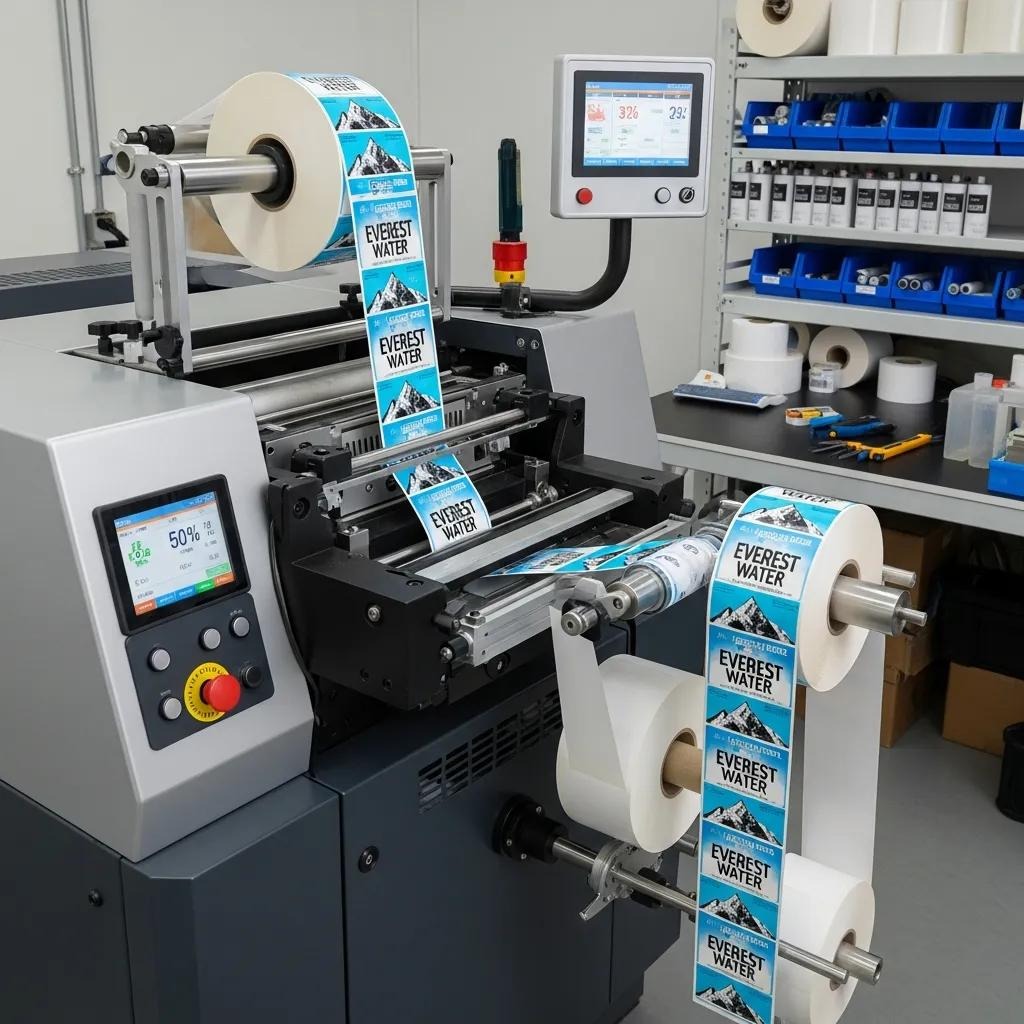
Choosing the right industrial labeling service is crucial for businesses that rely on high-quality labels for their products. The right service can enhance brand visibility, ensure compliance with regulations, and improve operational efficiency. In this article, we will explore the top factors to consider when selecting an industrial label printing service, including service quality, customization options, pricing, customer support, compliance and safety, durability, and integration capabilities. Understanding these factors will help you make an informed decision that aligns with your business needs and enhances your labeling strategy.
Service Quality
Service quality is a fundamental aspect to evaluate when selecting an industrial labeling service. It encompasses the expertise of the supplier, the quality of materials used, and the reliability of their printing capabilities. A reputable supplier should demonstrate a strong understanding of various labeling materials and their applications. Additionally, checking for in-house printing capabilities ensures that the labels are produced under strict quality control measures. Compliance certifications are also essential, as they indicate that the supplier adheres to industry standards and regulations.
Indeed, research consistently highlights the critical role of both product and service quality in driving business performance and competitiveness within the printing industry.
Impact of Product & Service Quality on Printing Business Performance
Product quality and service quality are fundamental factors for business performance and company competitiveness. The research was conducted at Q Print, a printing business located in Cikeas, Gunung Putri District, Bogor Regency. The purpose of this study was to determine the effect of product quality and service quality on competitiveness and business performance.
The Influence of Product Quality and Service Quality on Competitiveness and Business Performance at Q Print, 2025
For businesses looking for high-quality labels, TLF Graphics specializes in custom industrial labeling and printing solutions, focusing on delivering durable, high-quality labels tailored to diverse industry needs.
Customization Options
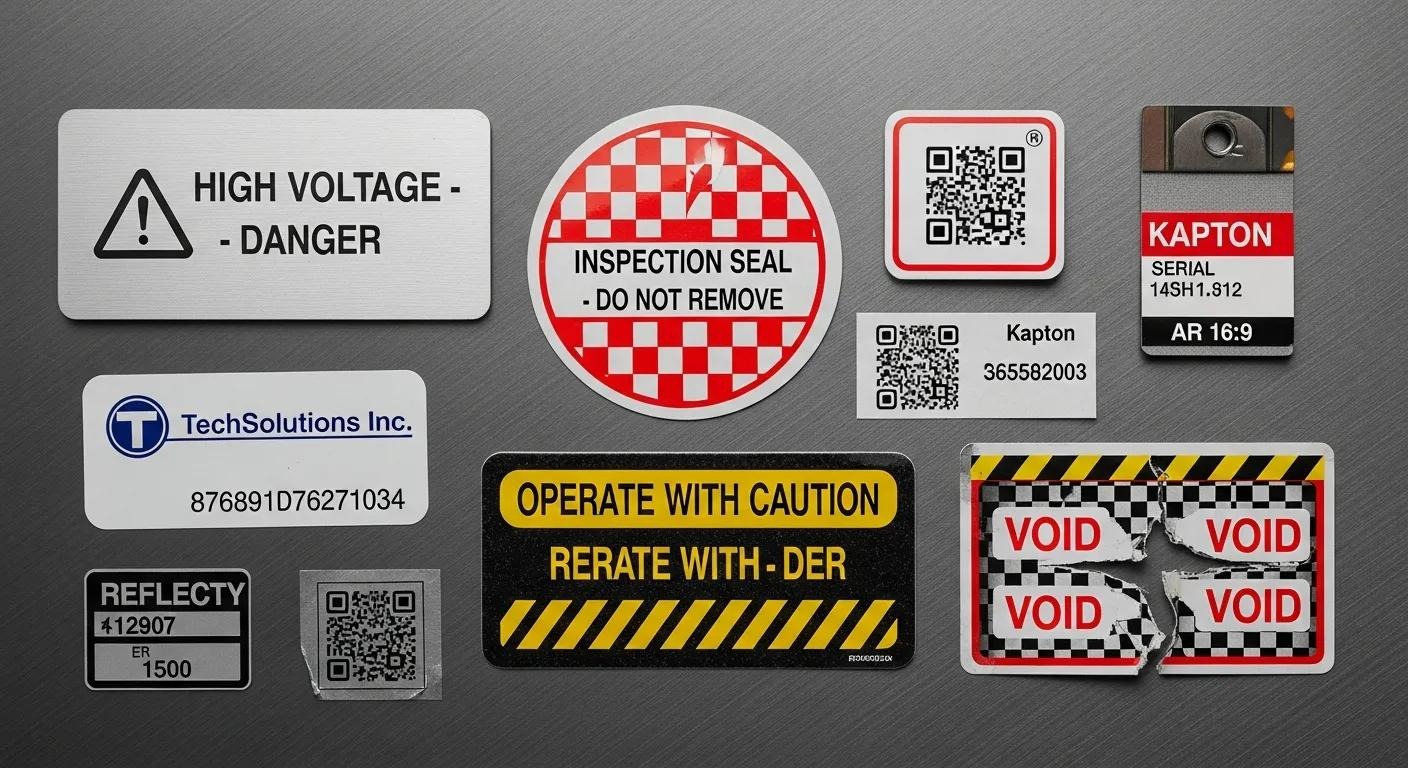
Customization is another critical factor when selecting an industrial labeling service. The ability to tailor labels to specific requirements can significantly impact branding and functionality. A good labeling service should offer a variety of materials, printing methods, and design options to meet unique business needs. This flexibility allows companies to create labels that not only convey essential information but also enhance their brand identity.
TLF Graphics excels in providing tailored solutions, ensuring that businesses can achieve their desired label specifications without compromise.
Pricing
Understanding the pricing structure of labeling services is vital for budgeting purposes. Factors affecting pricing include the complexity of the label design, the materials used, and the volume of the order. It’s essential to evaluate per-label pricing and consider bulk order discounts, as these can lead to significant cost savings. Additionally, assessing the total cost of ownership, which includes production, shipping, and potential reprints, will provide a clearer picture of the financial commitment involved.
Customer Support
The level of customer support provided by a labeling service can greatly influence the overall experience. It’s important to assess the responsiveness of the technical service team and the availability of integration support. Fast turnaround options are also a key consideration, especially for businesses that require labels on short notice. A reliable customer support system ensures that any issues can be addressed promptly, minimizing disruptions in the labeling process.
Compliance and Safety
Compliance with industry regulations is paramount in the labeling process. Labels must meet specific compliance standards to ensure safety and proper communication of hazards. Evaluating whether the labeling service can produce labels that adhere to these regulations is crucial. This includes reviewing compliance certifications and understanding the safety measures in place to protect both the product and the consumer.
Durability
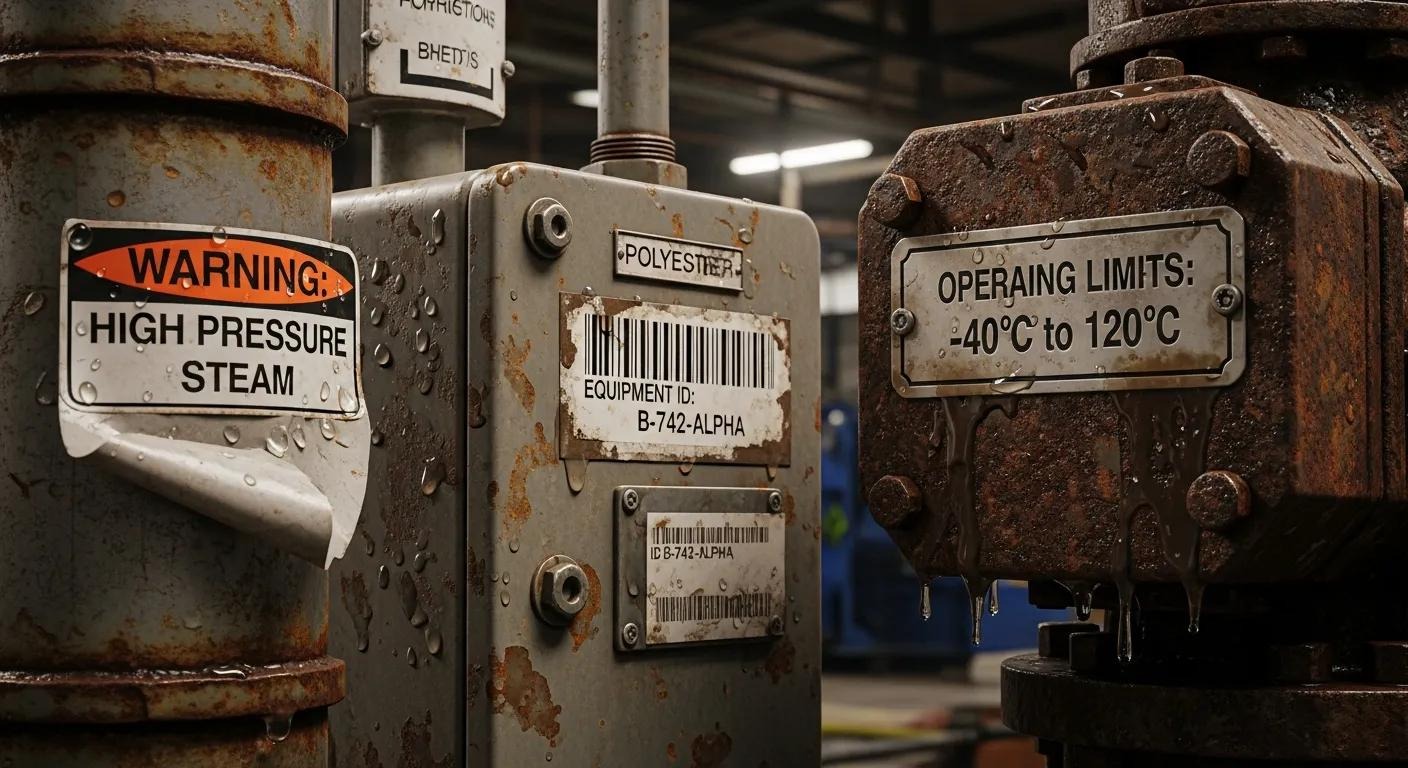
Label durability is essential, particularly in industrial applications where labels may be exposed to harsh environments. Choosing the right materials can significantly impact the longevity and legibility of labels. Factors such as resistance to chemicals, moisture, and temperature fluctuations should be considered when selecting labels. Understanding the material properties will help ensure that the labels remain intact and readable throughout their intended lifespan.
The growing emphasis on product longevity is further underscored by initiatives like mandatory durability labels, which aim to empower consumers and incentivize manufacturers to prioritize robust product design.
Mandatory Durability Labels & Product Design Incentives
France introduced a mandatory product repairability index in 2021 and plans to introduce a mandatory product durability index by 2024.The reasoning was to allow consumers to benchmark products, and to provide incentives for manufacturers to design durable and repairable products.
Consumer perceptions of product lifetimes and labelling: implications for introducing a durability label, L Milios, 2023
Integration Capabilities
Integration with existing systems is another important factor to consider. A labeling service should be able to seamlessly integrate with your current operations, enhancing tracking and compliance capabilities. Evaluating software compatibility and the ability to streamline processes will contribute to overall efficiency and effectiveness in labeling operations.
What Are the Key Industrial Label Materials and Their Impact on Label Durability?
Different materials used in industrial labels can significantly affect their durability and performance. Common materials include:
- Polyester Labels: Known for their strength and resistance to moisture and chemicals, making them ideal for harsh environments.
- Vinyl Labels: Flexible and durable, vinyl labels are suitable for both indoor and outdoor applications.
- Polypropylene Labels: These labels offer a balance of durability and cost-effectiveness, often used in various industries.
Understanding the properties of these materials will help businesses select the most appropriate labels for their specific applications.
How Do Polyester and Vinyl Materials Compare for Industrial Label Applications?
When comparing polyester and vinyl materials for industrial label applications, several factors come into play:
- Durability: Polyester labels generally offer superior durability, especially in extreme conditions, while vinyl labels are more flexible.
- Cost-Effectiveness: Vinyl labels tend to be less expensive, making them a popular choice for budget-conscious businesses.
- Suitability: Polyester is often preferred for labels that require long-term exposure to harsh environments, whereas vinyl is suitable for general use.
What Material Properties Ensure Compliance and Longevity in Harsh Environments?
To ensure compliance and longevity in harsh environments, certain material properties are essential:
- Chemical Resistance: Labels must withstand exposure to various chemicals without degrading.
- Temperature Tolerance: Materials should maintain integrity across a range of temperatures.
- Adhesive Selection: The right adhesive is crucial for ensuring that labels adhere properly under challenging conditions.
Which Adhesive Types Best Suit Custom Industrial Labels for Various Industry Requirements?
Different adhesive types are suited for various industrial label applications:
- Acrylic Adhesives: Known for their strong bonding capabilities and resistance to UV light, making them ideal for outdoor use.
- Rubber-Based Adhesives: Provide excellent initial tack and are suitable for indoor applications.
- Silicone Adhesives: Offer high-temperature resistance, making them ideal for labels exposed to extreme heat.
How Do Compliance Standards Influence the Selection of Industrial Labeling Solutions?
Compliance standards play a significant role in the selection of industrial labeling solutions. Businesses must ensure that their labels meet regulatory requirements, which can vary by industry. Understanding these standards helps in selecting materials and designs that not only comply with regulations but also enhance safety and communication.
What FDA and ISO Regulations Apply to Industrial Label Printing Services?
FDA and ISO regulations are critical for businesses involved in food, pharmaceuticals, and other regulated industries. Key considerations include:
- FDA Labeling Requirements: Ensuring that labels provide accurate information about the product, including ingredients and usage instructions.
- ISO 9001 Standards: Focusing on quality management systems to ensure consistent quality in labeling processes.
How Can Compliance Checklists Ensure Regulatory Adherence in Labeling?
Compliance checklists are valuable tools for ensuring regulatory adherence in labeling. These checklists can outline verification processes, material selection criteria, and routine inspections to maintain compliance. Implementing such checklists helps businesses avoid costly mistakes and ensures that labels meet all necessary regulations.
What Service Factors Affect Turnaround Time, Cost, and Reliability in Industrial Label Providers?
Several service factors can influence turnaround time, cost, and reliability in industrial label providers:
- Material Expertise: Providers with extensive knowledge of materials can offer better solutions tailored to specific needs.
- Printing Capabilities: Advanced printing technologies can reduce turnaround times and improve quality.
- Compliance Certifications: Providers with recognized certifications can assure clients of their reliability and adherence to industry standards.
Implementing efficient production methodologies, such as lean manufacturing, is crucial for label printing businesses to enhance product quality and maintain customer satisfaction.
Lean Production for Quality Label Manufacturing
This study underscores the necessity for efficient production methodologies in micro, small, and medium-sized enterprises (MSMEs), specifically in label production using the flexographic printing technique. Despite lean manufacturing being a predominant paradigm, enabling companies to enhance product quality and retain customer satisfaction through various tools and techniques, MSMEs often grapple with selecting the most productive lean tool that dovetails with their specific operational requirement.
A framework for lean tool selection in the label printing industry for sustainable growth, R Mittal, 2024
How Do Turnaround Times Vary Among Leading Industrial Labeling Services?
Turnaround times can vary significantly among industrial labeling services. Factors influencing these times include the complexity of the order, the materials used, and the provider’s production capacity. Understanding these variables will help businesses set realistic expectations for label delivery.
What Cost Factors Should Be Considered When Budgeting for Custom Industrial Labels?
When budgeting for custom industrial labels, several cost factors should be considered:
- Material Costs: The type of material selected can greatly impact overall costs.
- Printing Methods: Different printing techniques may have varying costs associated with them.
- Hidden Costs: Additional expenses such as shipping, setup fees, and potential reprints should also be factored into the budget.