
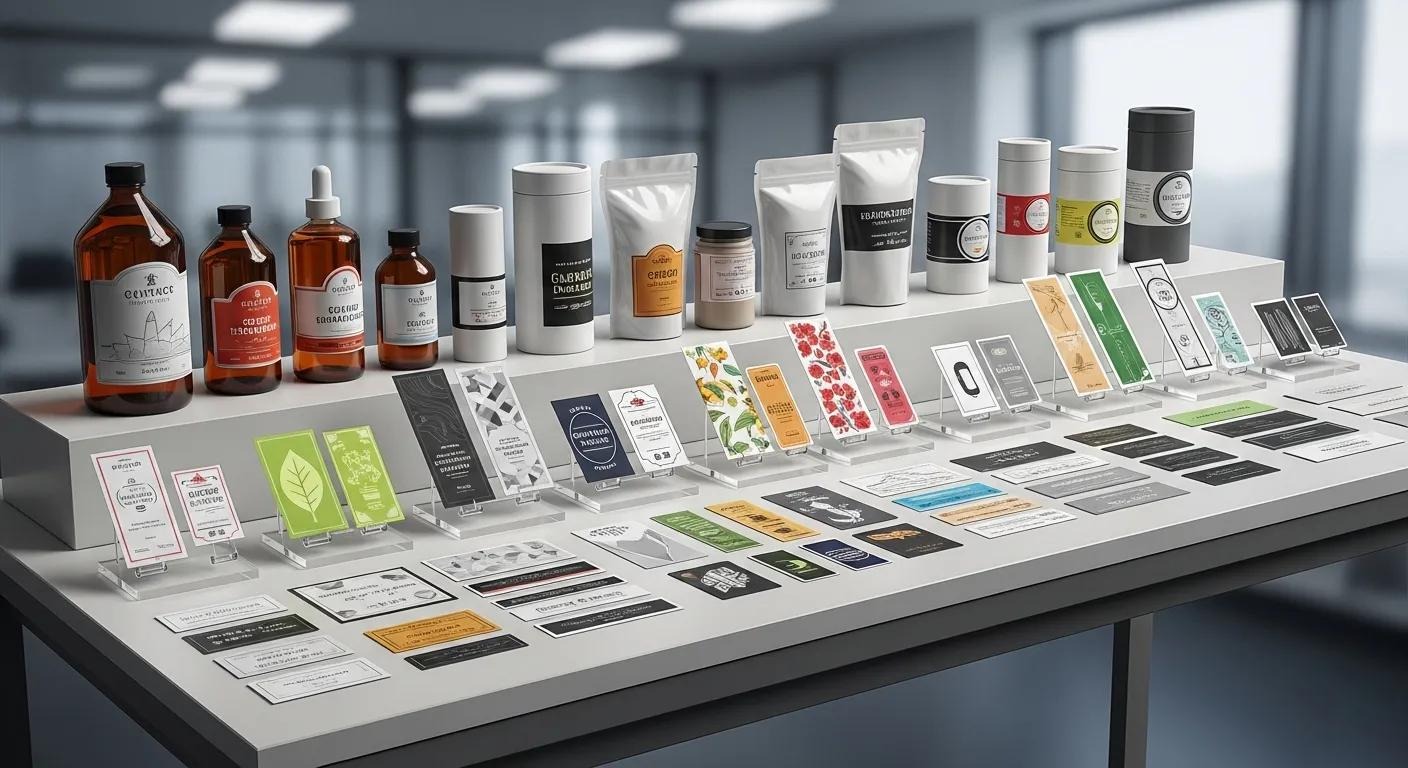
In the world of labeling, the choice between high-quality labels and standard options can significantly impact a business’s branding and operational efficiency. High-quality labels are designed to withstand various environmental conditions, ensuring durability and compliance with industry standards. This article will explore the critical differences between high-quality and standard labels, focusing on their quality, cost implications, and suitability for various applications. Understanding these factors is essential for manufacturers and businesses looking to optimize their labeling solutions. We will delve into the characteristics that define high-quality labels, the materials that ensure their durability, and the technologies that enhance their appearance. Additionally, we will discuss the advantages of waterproof and adhesive label types, as well as the specific needs of different industries.
Quality Differences
High-quality labels are distinguished by their superior materials and advanced printing techniques, which contribute to their durability and visual appeal. The selection of materials plays a crucial role in determining the label’s longevity and resistance to wear and tear. For instance, labels made from vinyl or polyester are often more durable than those made from paper, making them suitable for harsh environments. Furthermore, advanced printing techniques, such as digital printing, enhance the quality of the labels by providing vibrant colors and sharp images. This level of quality not only improves the aesthetic appeal of products but also ensures that the labels remain intact and legible over time.
What Defines High-Quality Labels Compared to Standard Options?
High-quality labels are characterized by their durability, material quality, and advanced printing techniques. Unlike standard labels, which may use lower-grade materials, high-quality options often incorporate features such as waterproofing and UV resistance. These characteristics ensure that the labels can withstand exposure to moisture, sunlight, and other environmental factors without fading or peeling. Additionally, high-quality labels can be customized to meet specific branding requirements, allowing businesses to create a unique identity for their products.
Which Material Properties Ensure Label Durability and Compliance?
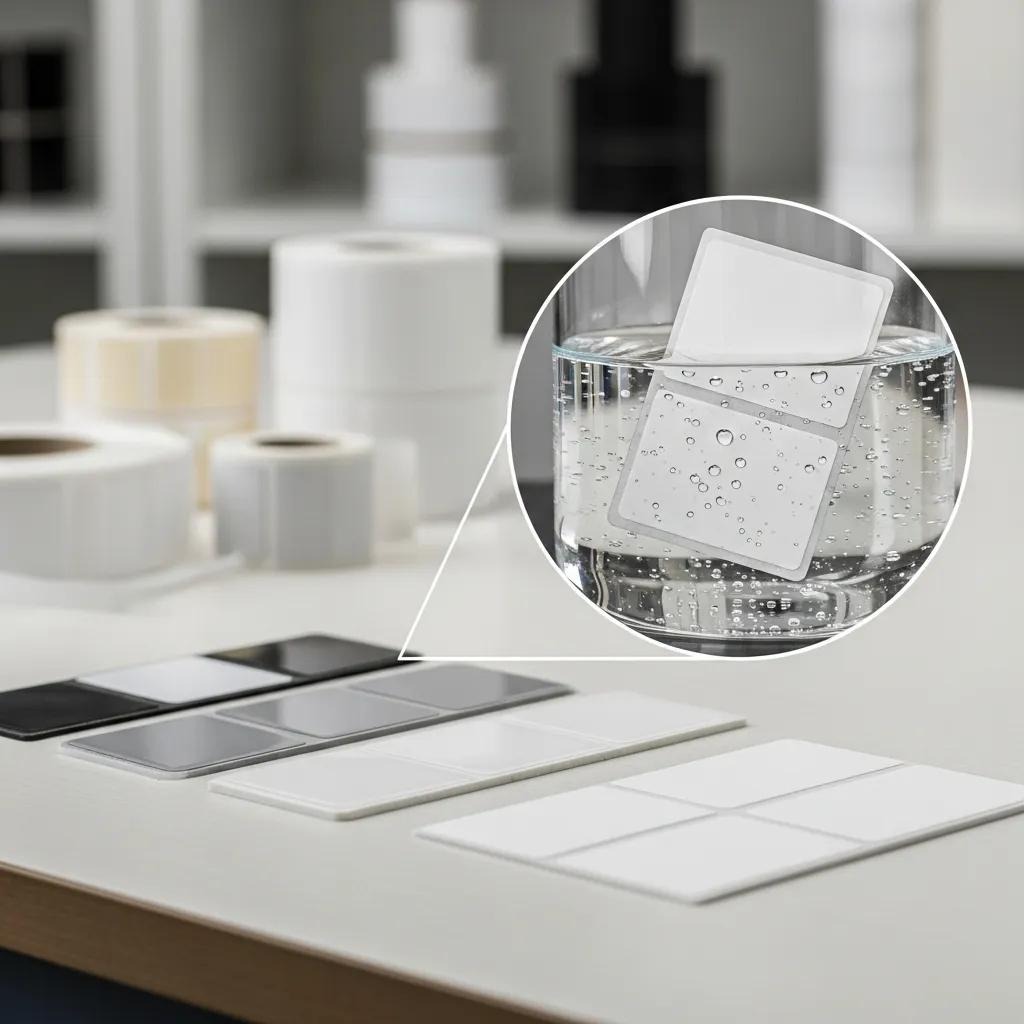
The durability of labels is significantly influenced by the best materials for industrial labels used in their production. For example, materials like polyester and vinyl offer excellent resistance to moisture and chemicals, making them ideal for applications in the food and beverage, pharmaceutical, and logistics industries. Adhesive properties are also crucial; high-quality adhesives ensure that labels adhere properly to various surfaces, preventing them from peeling or curling. Compliance with industry standards, such as FDA regulations, further necessitates the use of specific materials that meet safety and labeling requirements.
Cost Implications
When considering labeling options, cost is a significant factor that businesses must evaluate. While high-quality labels may have a higher initial cost compared to standard options, they often result in long-term savings due to their durability and reduced need for replacements. Bulk ordering can also lead to cost benefits, as many manufacturers offer discounts for larger quantities. Understanding the cost-effectiveness of custom versus standard labels is essential for making informed decisions that align with business budgets and operational needs.
| Label Type | Initial Cost | Long-Term Savings | Compliance Costs |
|---|---|---|---|
| High-Quality Labels | Higher | Significant | Lower |
| Standard Labels | Lower | Minimal | Higher |
This comparison illustrates that while high-quality labels may require a larger upfront investment, their durability and compliance can lead to reduced costs over time, making them a more economical choice in the long run.
How Do Custom Adhesive Labels Provide Value Over Standard Labeling Solutions?
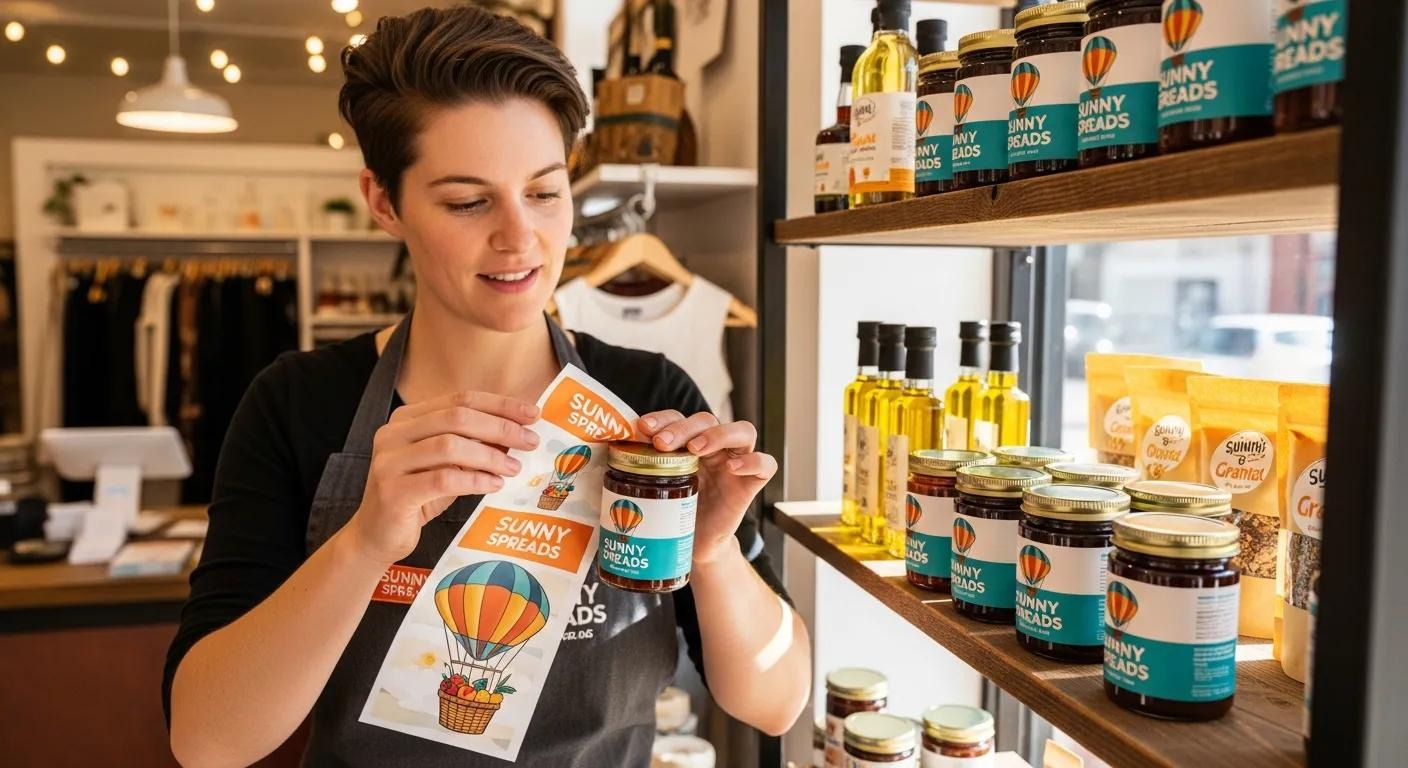
Custom adhesive labels offer tailored solutions that standard labels cannot match. They are designed to meet specific branding and operational needs, providing businesses with the flexibility to create unique labels that enhance product visibility. The durability of custom labels also leads to cost savings, as they are less likely to require replacement due to wear and tear. Additionally, custom labels can incorporate features such as waterproofing and UV resistance, further enhancing their value in various applications.
Suitability for Various Applications
Different industries have unique labeling needs that dictate the choice between high-quality and standard labels. For instance, the food and beverage industry requires labels that can withstand moisture and comply with safety regulations. Similarly, pharmaceutical labels must meet stringent compliance standards to ensure product safety and efficacy. In contrast, retail labels may focus more on branding and aesthetic appeal. Understanding these industry-specific requirements is crucial for selecting the appropriate labeling solutions.
How Do Material Choices Affect Label Performance in Food, Pharma, and Logistics Industries?
Material choices significantly impact label performance across various industries. In the food industry, labels must be resistant to moisture and oils to maintain legibility and compliance with health regulations. Pharmaceutical labels require materials that can withstand sterilization processes and adhere to strict regulatory standards. In logistics, labels need to be durable enough to endure rough handling and environmental exposure, ensuring that they remain intact throughout the supply chain.
What Are the Advantages of Waterproof and Adhesive Label Types?
Waterproof labels offer several advantages, particularly in environments where exposure to moisture is a concern. They resist fading and peeling, ensuring that important information remains visible. Adhesive label types also play a critical role in performance; high-quality adhesives ensure that labels adhere securely to various surfaces, reducing the risk of detachment. This combination of waterproofing and strong adhesion enhances the overall effectiveness of labels in diverse applications.
Indeed, the importance of moisture-proof properties extends to the very packaging materials themselves, as highlighted by research on packaging for frozen foods.
High-Strength Moisture-Proof Labels for Packaging
Paperboard should have moisture-proof, waterproof and high strength properties in order to ensure that the packaging carton have sufficient strength.
Moistureproof and Waterproof Paperboard for Frozen Food Packaging, 2013
Which Label Materials Are Best Suited for Industrial and Manufacturer Applications?
For industrial and manufacturing applications, certain label materials stand out due to their durability and performance. Polyester labels are highly regarded for their resistance to chemicals and extreme temperatures, making them ideal for harsh environments. Vinyl labels offer flexibility and can adhere to a variety of surfaces, while foil-backed materials provide additional durability for labels exposed to extreme conditions. Selecting the right material is essential for ensuring that labels perform effectively in demanding settings.
How Do FDA and Regulatory Standards Affect Label Material and Printing Choices?
FDA and other regulatory standards significantly influence the choice of label materials and printing techniques. Labels used in the food and pharmaceutical industries must comply with specific regulations to ensure safety and efficacy. This often requires the use of materials that are safe for direct contact with products and can withstand various processing conditions. Understanding these regulations is crucial for manufacturers to avoid compliance issues and ensure that their products meet industry standards.
Beyond material selection, the very process of applying labels is evolving, with automation playing a crucial role in meeting these stringent requirements.
Automated Labeling: Efficiency, Precision & Compliance
The automation of product labeling has emerged as a critical advancement in manufacturing, enhancing efficiency and precision in packaging processes. Key components and technologies, such as vision inspection systems, robotics, and smart labels, are examined in detail, highlighting their role in ensuring precise and consistent labeling. The paper also addresses the challenges and considerations involved in implementing and maintaining automated labeling systems, including integration with existing machinery, maintaining accuracy, and regulatory compliance
Application in Product Labeling: Benefits, Challenges,
Key Components and Technologies: A review, IK Okediran, 2025
What Are the Labeling Needs Unique to Food, Pharmaceutical, Retail, and Logistics Sectors?
Each sector has distinct labeling needs that must be addressed to ensure compliance and effectiveness. Food labels must include nutritional information and ingredient lists, while pharmaceutical labels require dosage instructions and safety warnings. Retail labels focus on branding and marketing, often incorporating eye-catching designs to attract consumers. In logistics, labels must provide clear tracking information and withstand environmental challenges. Recognizing these unique requirements is essential for selecting the right labeling solutions.
Conclusion
Choosing the right labeling solution is critical for businesses across various industries. High-quality labels offer significant advantages in terms of durability, compliance, and branding potential. While they may come with a higher initial cost, the long-term benefits often outweigh the investment. By understanding the differences between high-quality and standard labels, businesses can make informed decisions that enhance their operational efficiency and product visibility. TLF Graphics specializes in custom label printing, providing high-quality, durable labels tailored to meet the specific needs of manufacturers and businesses across diverse sectors.