
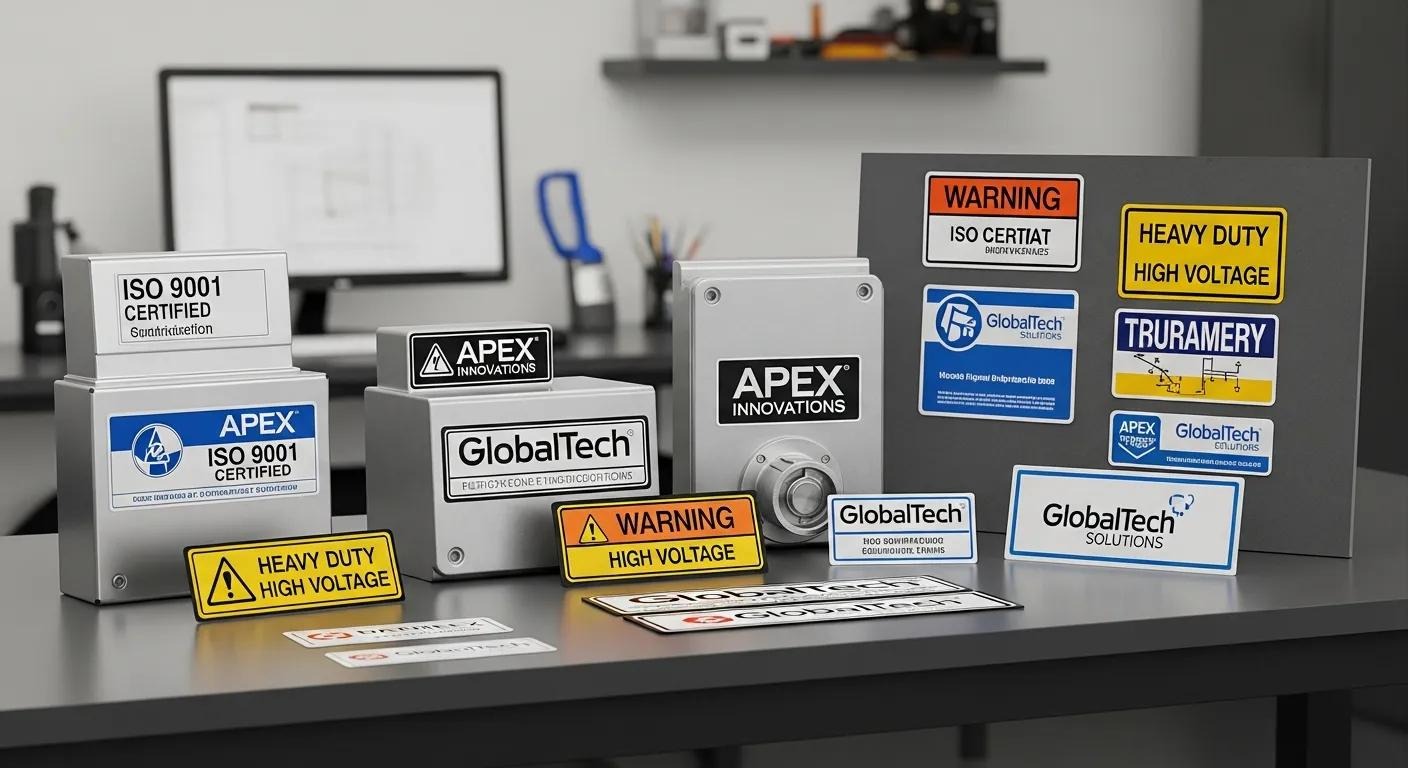
In the competitive landscape of industrial sectors, custom industrial labels play a crucial role in enhancing brand identity and operational efficiency. These labels not only serve functional purposes but also reflect a company’s commitment to quality and professionalism. This article delves into the various aspects of custom industrial label printing services, focusing on how they can significantly impact brand recognition and compliance across industries. Readers will learn about the types of materials available, the benefits of professional printing services, and the technologies that optimize label quality. By understanding these elements, businesses can make informed decisions that align with their branding and operational goals.
Impact on Brand Identity
Custom industrial labels are essential for establishing and reinforcing a brand’s identity. They provide a unique opportunity for personalization, allowing businesses to showcase their logo, colors, and messaging prominently. High-quality materials contribute to the perception of professionalism and reliability, which can significantly impact customer trust and loyalty. When customers see well-designed labels, they are more likely to associate them with quality products and services, enhancing overall brand recognition. This connection between labels and brand identity is vital for businesses aiming to stand out in their respective markets.
Quality Options Available
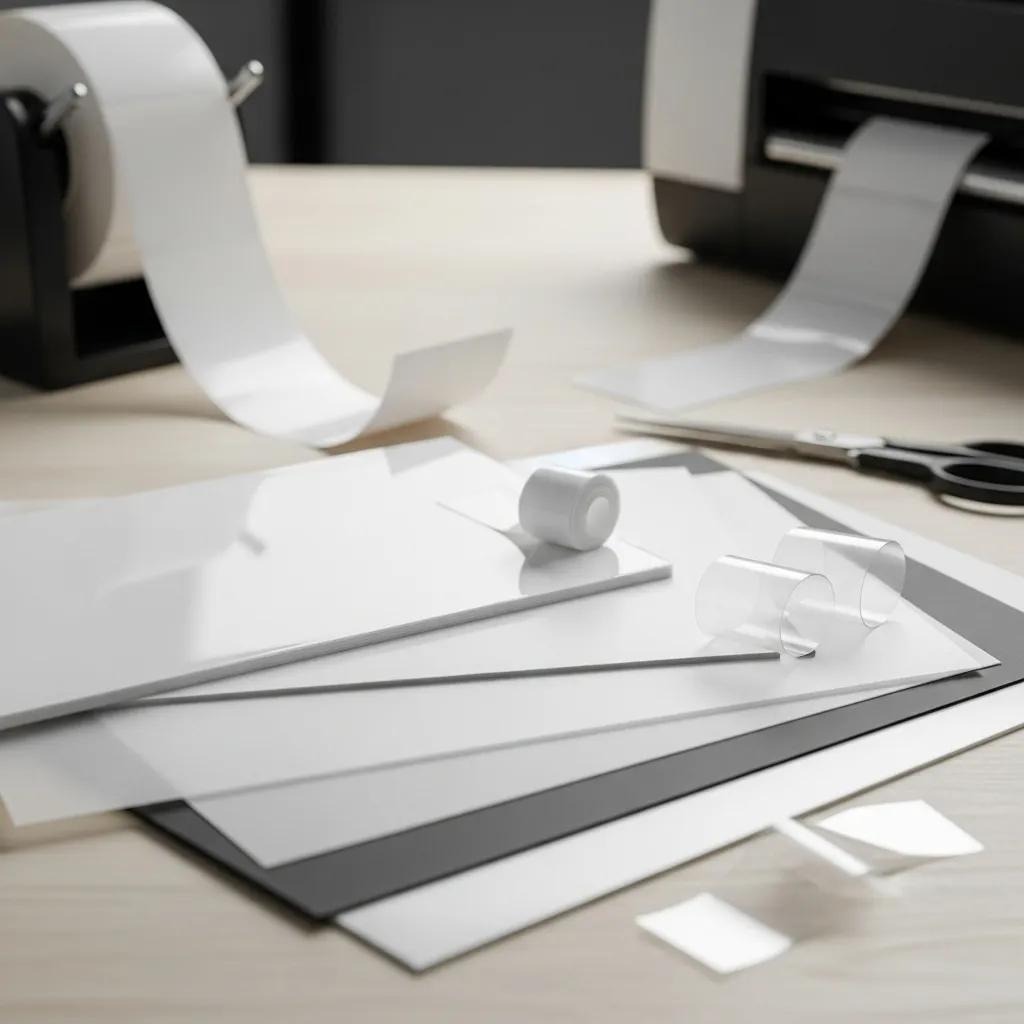
When it comes to custom industrial labels, the choice of materials and printing methods is paramount. Various options are available, each with distinct characteristics that cater to different needs.
| Material Type | Durability | Best Use |
|---|---|---|
| Polyester (PET) | High abrasion and chemical resistance | Harsh environments |
| Polypropylene | Good moisture and UV resistance | Outdoor applications |
| Vinyl | Flexible and weatherproof | General use |
These materials are designed to withstand various environmental conditions, ensuring that labels remain intact and legible over time. The choice of printing method also affects the quality of the labels, with options like thermal transfer and digital printing providing different benefits.
Material Types
Different materials used for custom labels offer unique advantages. Polyester labels are known for their high durability, making them ideal for industrial applications where exposure to chemicals and abrasion is common. Polypropylene labels provide excellent moisture and UV resistance, suitable for outdoor use. Vinyl labels are flexible and weatherproof, making them versatile for various applications. Understanding these material types helps businesses select the right labels for their specific needs.
Longevity
The longevity of custom labels is influenced by the materials used and the conditions they are exposed to. Typically, high-quality labels can last several years, even in harsh environments. Factors such as exposure to sunlight, moisture, and abrasion can affect their lifespan. Testing for durability is essential to ensure that labels meet the required standards for specific applications. Businesses should consider these factors when selecting labels to ensure they remain effective over time.
Impact on Brand Visibility
Custom labels significantly enhance brand visibility by providing clear product identification and compliance with legal labeling requirements. Effective label designs not only convey essential information but also incorporate branding elements that make products easily recognizable. This visibility is crucial in crowded marketplaces, where standing out can lead to increased sales and customer loyalty. By investing in high-quality labels, businesses can improve their overall branding strategy and ensure compliance with industry regulations.
Benefits of Utilizing Professional Printing Services
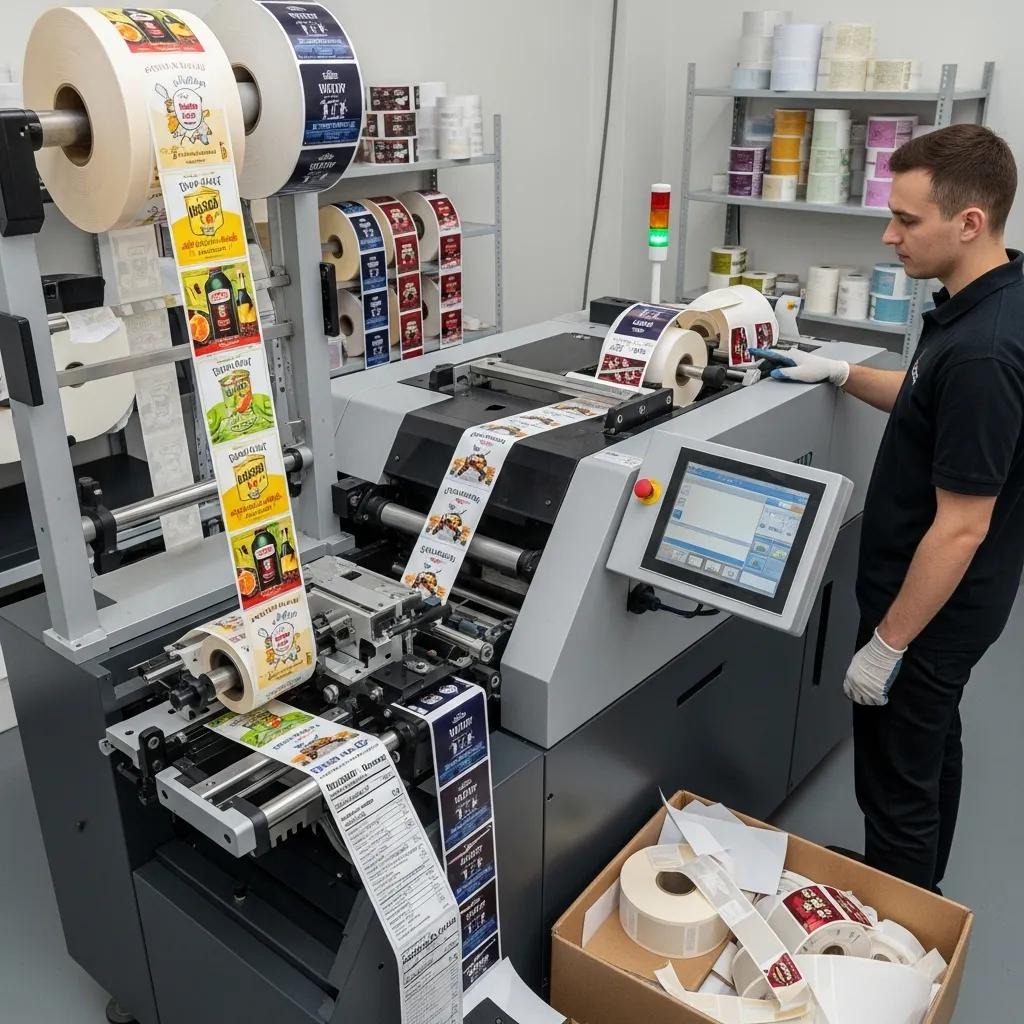
Utilizing professional printing services for custom industrial labels offers numerous advantages that can enhance operational efficiency and brand perception.
- Durability: Professional labels are engineered to withstand harsh environments, ensuring they remain intact and legible.
- Compliance: Professional printing services ensure that labels meet industry regulations, which is crucial for sectors like pharmaceuticals and food.
- Operational Efficiency: Custom labels streamline asset tracking and inventory management, reducing errors and improving productivity.
These benefits highlight the importance of choosing a reliable printing partner to ensure that labels not only meet aesthetic standards but also functional requirements.
What Are Durable Custom Industrial Labels and Their Benefits?
Durable custom industrial labels are designed to withstand challenging conditions, making them essential for various applications, particularly in harsh environments. TLF Graphics specializes in producing these labels using high-quality materials such as vinyl, polyester, and polypropylene. The benefits of using durable labels include enhanced visibility, compliance with industry standards, and improved brand recognition.
Material Types
The materials used for durable labels include polyester, which offers high abrasion resistance, and vinyl, known for its flexibility and weatherproof characteristics. These materials are chosen based on their ability to endure specific environmental conditions, ensuring that labels remain effective over time.
Longevity
Durable labels typically have a lifespan of several years, depending on the material and environmental factors. For instance, polyester labels can last longer in harsh conditions compared to standard paper labels. Testing for durability is crucial to ensure that labels meet the necessary standards for specific applications.
Impact on Brand Visibility
Durable labels enhance brand visibility by providing clear product identification and compliance with legal requirements. Effective label designs incorporate branding elements that make products easily recognizable, which is essential in competitive markets. By investing in durable labels, businesses can improve their overall branding strategy and ensure compliance with industry regulations.
How Do Industry-Specific Labeling Solutions Support Brand Compliance?
Industry-specific labeling solutions are designed to meet the unique regulatory requirements of various sectors, including pharmaceuticals and food. These solutions ensure that labels contain the necessary information, such as ingredient lists, nutritional information, and safety warnings, which are crucial for compliance with industry standards. By utilizing these specialized labeling solutions, businesses can avoid costly fines and enhance their reputation for quality and safety.
What Are Regulatory Requirements for Pharmaceutical and Food Labels?
Regulatory requirements for pharmaceutical and food labels are stringent, necessitating accurate and clear information to ensure consumer safety. For pharmaceuticals, labels must include dosage instructions, side effects, and storage conditions, while food labels must provide nutritional information and allergen warnings. Compliance with these regulations is essential for maintaining consumer trust and avoiding legal issues.
What Printing Technologies Optimize Custom Industrial Label Quality?
Various printing technologies are employed to optimize the quality of custom industrial labels. Thermal transfer printing is known for producing durable, long-lasting barcodes and text, while digital printing allows for vibrant, full-color customization. Each method has its advantages, and the choice depends on the specific requirements of the labels being produced.
How Do Thermal Transfer and Flexographic Printing Enhance Label Performance?
Thermal transfer printing enhances label performance by producing high-quality, durable prints that resist fading and smudging. This method is particularly effective for barcodes and text that need to remain legible over time. Flexographic printing, on the other hand, is efficient for high-volume production and offers excellent color reproduction, making it suitable for labels that require vibrant designs. Understanding these printing methods helps businesses choose the right technology for their labeling needs.
How Can Custom Industrial Labels Improve Brand Recognition and Client ROI?
Custom industrial labels can significantly improve brand recognition and client return on investment (ROI) by enhancing product visibility and ensuring compliance with industry standards. Durable labels designed to withstand harsh conditions maintain their legibility, which is crucial for brand authority. Many mid-sized manufacturing plants report payback periods of under 12 months after implementing custom labeling solutions, demonstrating the financial benefits of investing in high-quality labels.
What Case Studies Demonstrate Measurable Brand Enhancement?
Several case studies illustrate the effectiveness of custom labels in enhancing brand identity and operational efficiency. For instance, a manufacturing company that switched to high-quality custom labels reported a 30% increase in brand recognition and a significant reduction in labeling errors. These measurable outcomes highlight the importance of investing in professional label printing services to achieve tangible business benefits.