
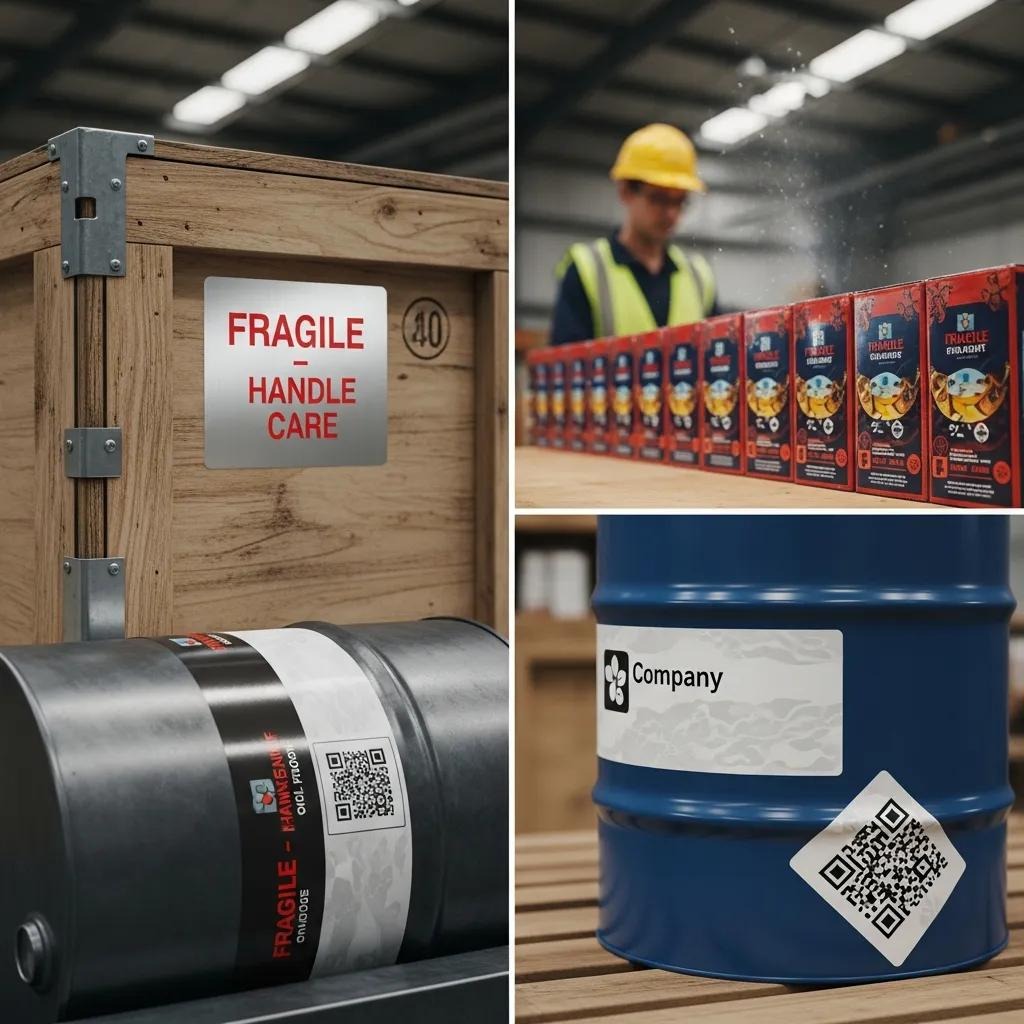
Custom adhesive labels play a crucial role in various industrial applications, providing essential information and branding while ensuring compliance with industry standards. These labels are designed to withstand harsh environments, making them indispensable in sectors such as manufacturing, food and beverage, pharmaceuticals, logistics, and retail. In this article, we will explore the durability, compliance standards, and application versatility of custom adhesive labels, along with the specific materials and adhesive types that enhance their effectiveness. By understanding these aspects, businesses can make informed decisions when selecting labels that meet their unique needs.
Indeed, the multifaceted role of labels extends to critical aspects like marketing, technical data, and environmental declarations, as highlighted by research into their industrial life cycle.
Self-Adhesive Label Life Cycle & Industrial Applications
Labels are used for marketing, technical information, local of production and environmental declarations of products. The aim of the study was to evaluate the life cycle of two sets of front and back adhesive labels made with different liners: polyethylene terephthalate (PET) and glassine paper. The study is a pioneering initiative in the labelling industry using life cycle assessment, especially in Brazil.
Environmental improvement in the printing industry: The case study of self-adhesive labels, DL Medeiros, 2019
Durability
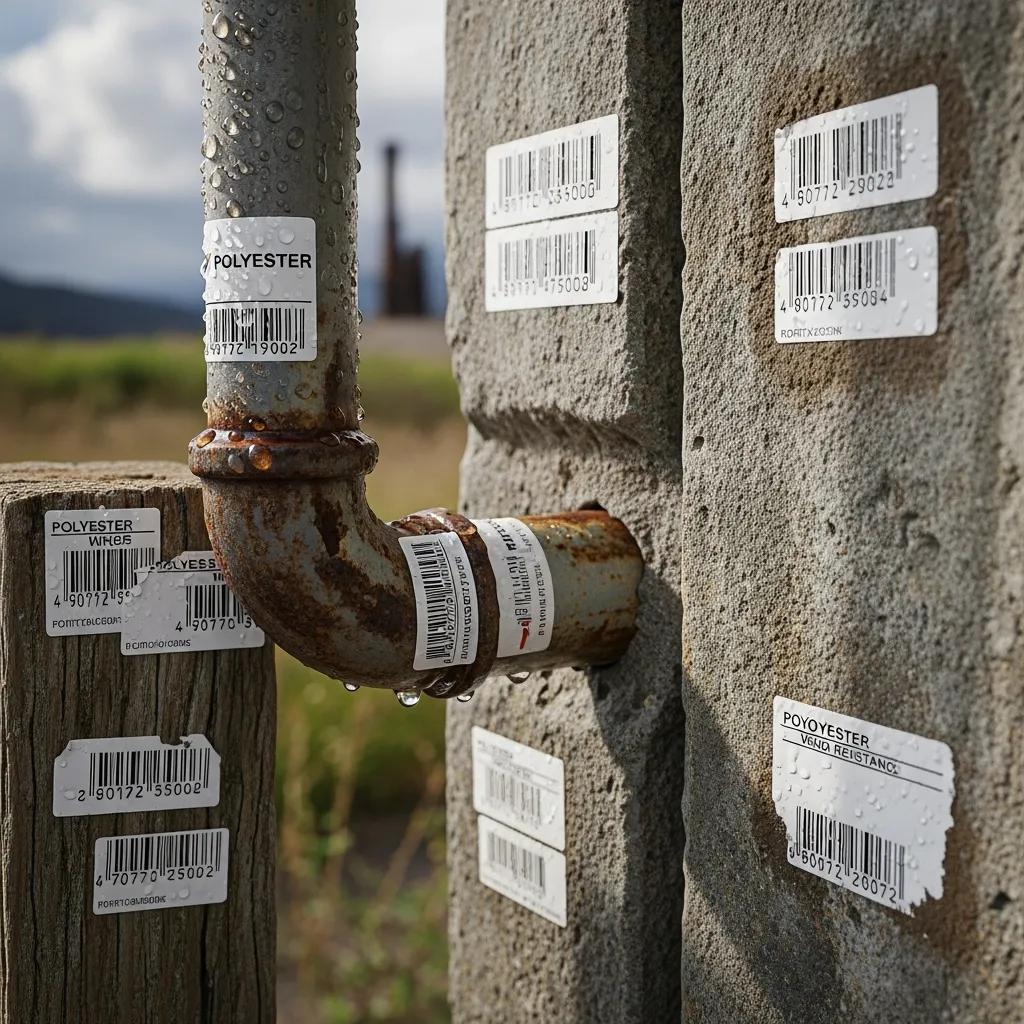
Durability is a key feature of custom adhesive labels, as they must endure various environmental factors while maintaining their integrity. These labels are often exposed to moisture, temperature fluctuations, and physical abrasion, which can compromise their performance. High-quality materials such as polyester and vinyl are commonly used to enhance durability, providing resistance to tearing, fading, and water damage.
| Material | Durability Feature | Application |
|---|---|---|
| Polyester | High tensile strength | Outdoor labeling |
| Vinyl | Weather-resistant | Food and beverage packaging |
| Paper | Cost-effective for indoor use | Retail labels |
The choice of material significantly impacts the longevity of labels in industrial settings. For instance, polyester labels are ideal for outdoor applications due to their resistance to UV light and moisture, while vinyl labels are preferred in food and beverage industries for their ability to withstand refrigeration and cleaning processes. TLF Graphics specializes in custom adhesive label printing solutions designed to meet diverse industrial requirements, ensuring that businesses receive labels tailored to their specific needs.
Compliance Standards
Compliance with industry regulations is essential for businesses that rely on custom adhesive labels. Various sectors, including pharmaceuticals and food and beverage, have stringent labeling requirements to ensure safety and transparency. Labels must adhere to specific compliance standards, which often dictate the materials used, the information displayed, and the overall design.
TLF Graphics has extensive expertise in meeting compliance standards for custom labels, helping businesses navigate the complexities of regulatory requirements. This expertise ensures that labels not only fulfill their functional purpose but also comply with necessary guidelines, reducing the risk of penalties and enhancing brand reputation.
Application Versatility
Custom adhesive labels are versatile and can be utilized across a wide range of industries. From manufacturing to logistics, these labels serve various purposes, including product identification, safety warnings, and promotional messaging. Their adaptability makes them an essential tool for businesses looking to streamline operations and enhance customer engagement.
For example, in the manufacturing sector, labels are used to track inventory and provide essential product information. In logistics, they facilitate efficient shipping and handling by ensuring that packages are correctly labeled for delivery. Retail businesses benefit from custom labels by using them for branding and promotional purposes, creating a cohesive look that attracts customers.
What Are the Key Materials and Durability Features of Industrial Adhesive Labels?
The choice of materials for industrial adhesive labels directly influences their durability and effectiveness. Common materials include:
- Polyester: Known for its high tensile strength and resistance to environmental factors, making it suitable for outdoor applications.
- Vinyl: Offers excellent weather resistance, ideal for food and beverage packaging where moisture exposure is common.
- Paper: A cost-effective option for indoor use, often utilized for retail labels that do not require high durability.
These materials are selected based on the specific requirements of the application, ensuring that labels perform optimally in their intended environments.
How Do Adhesive Types Influence Industrial Label Applications?
The type of adhesive used in label production significantly affects their performance and suitability for various applications. Different adhesive types cater to specific needs, such as permanence or removability.
What are the differences between permanent and removable adhesives in industrial settings?
Permanent adhesives are designed to create a strong bond that is difficult to remove, making them ideal for applications where labels must remain intact for the product’s lifespan. In contrast, removable adhesives allow for easy label removal without leaving residue, making them suitable for temporary applications or products that may require re-labeling.
Which adhesive types are optimal for specific industry requirements?
- Acrylic adhesives: Best for outdoor use due to their UV resistance.
- Rubber-based adhesives: Ideal for rough surfaces, providing strong adhesion.
- Silicone adhesives: Suitable for high-temperature applications, ensuring labels remain intact under extreme conditions.
What Industry-Specific Solutions Are Available for Custom Adhesive Labels?
Custom adhesive labels can be tailored to meet the unique needs of various industries. For instance, in the manufacturing sector, labels can include barcodes for inventory tracking, while in healthcare, they may feature safety warnings and compliance information.
How are custom labels tailored for manufacturing, food and beverage, and pharmaceutical sectors?
In manufacturing, labels are designed to withstand harsh conditions and provide essential product information. In the food and beverage industry, labels must comply with health regulations, ensuring that all necessary information is clearly displayed. Pharmaceutical labels require strict adherence to safety standards, including dosage instructions and ingredient lists.
What labeling solutions address logistics and retail industry challenges?
Logistics companies benefit from labels that facilitate efficient shipping and handling, ensuring that packages are correctly identified and tracked throughout the supply chain. Retail businesses utilize custom labels for branding and promotional purposes, creating a cohesive look that enhances customer engagement and drives sales.
How Do Compliance and Certification Standards Affect Industrial Label Selection?
Compliance and certification standards play a critical role in the selection of industrial labels. Businesses must ensure that their labels meet specific regulations to avoid penalties and maintain consumer trust.
Which certifications ensure label compliance in regulated industries?
Certifications such as FDA regulations for food and pharmaceutical labeling, ISO standards for quality management, and OSHA requirements for safety labeling are essential for ensuring compliance in regulated industries.
How do compliance requirements influence material and adhesive choices?
Compliance requirements often dictate the materials and adhesives used in label production. For example, labels intended for food packaging must use FDA-approved materials, while those used in pharmaceuticals must adhere to strict safety standards. This ensures that labels not only fulfill their functional purpose but also comply with necessary guidelines, reducing the risk of penalties and enhancing brand reputation.
For more information on how custom adhesive labels can benefit your business, visit TLF Graphics.